Cabinet, transit,
and the route engineer
A multi-region voice carrier's traffic crosses our network 24/7. We own the cabinet, we sell the transit, and we run the BGP,including the route engineering when a transit peer congests.
A voice carrier shouldn't have to be its own network operator
They run voice for their customers across North America and EMEA. Voice is real-time,when packet loss spikes or a peer route degrades, their customers hear it inside the same second the monitoring graph does. Quality is the product.
Knowing the difference between “Cogent is congesting again” and “something in our cabinet” matters. But they didn't want to be the team that finds out. They wanted one operator to call, who already knew which transit peer was misbehaving, and could fix it without being told how.
Colo, transit, and on-call routing,billed as one thing
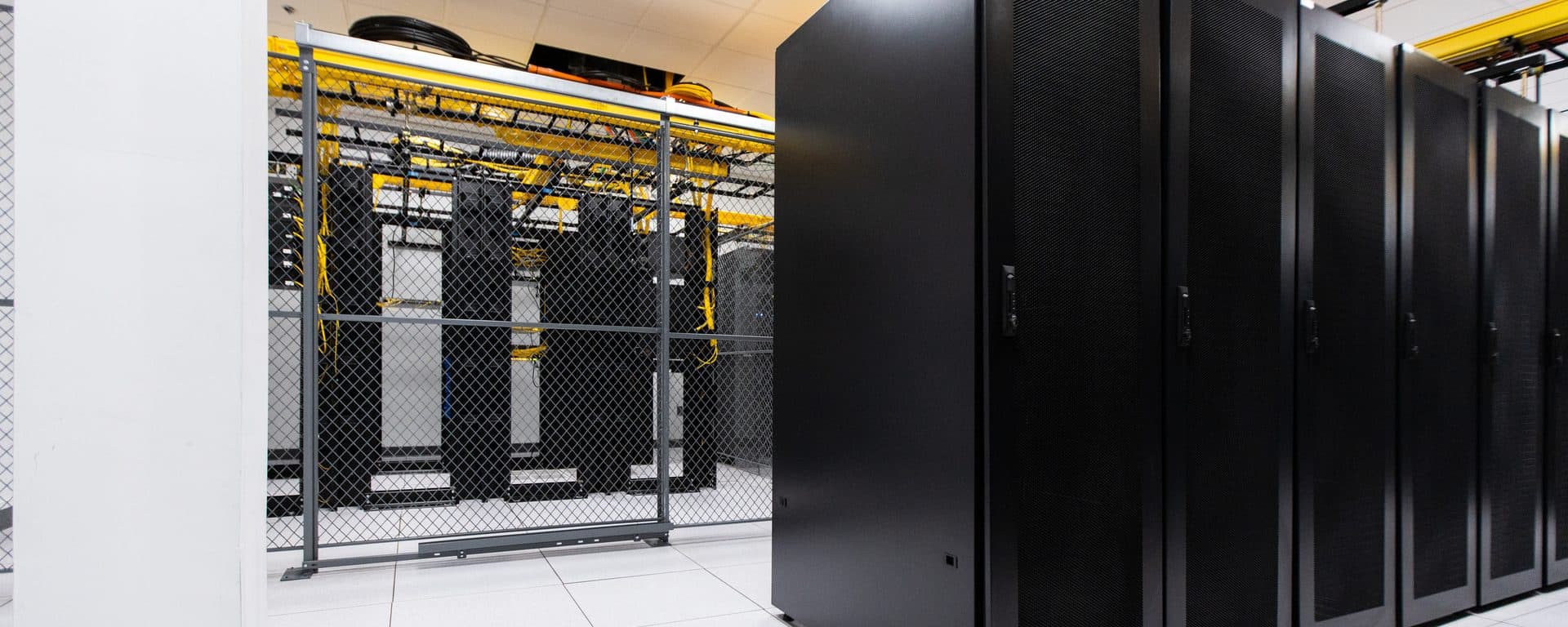
We hold the cabinet. They started in a partial cab and grew into a full cabinet with redundant 20A circuits. When they needed more, the upgrade landed inside a same-day agreement extension, not a new procurement cycle.
We sell the transit. Cogent, Telia, Lumen, and a Detroit IX peering fabric,diverse enough that when one degrades, traffic can move to another without their team filing a single ticket downstream.
We run the BGP on top. When a transit peer congests, our routing team re-engineers the path via the IX or another carrier,usually before they escalate, often before their dashboards finish recovering.
They handle voice. We handle the network underneath.
Five years in, the cabinet is full, the circuits are redundant, and the route-engineering escalations get handled by us before they need to be raised. Their NOC works on voice quality and customer relationships. Ours works on peers and paths.
One vendor, one contract, one number to call when something looks off. That continuity is the part of the case study that doesn't fit in a stat.
Got a project? Let's talk it through.
We'll work out what would actually fit. If that's not us, we'll point you to who.